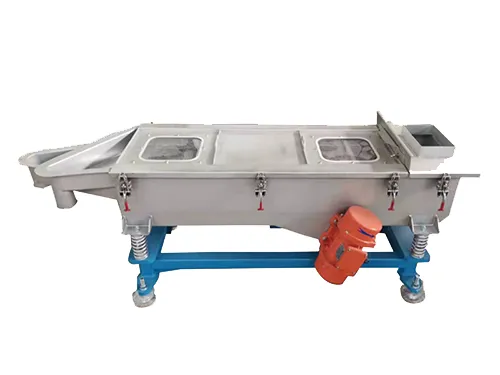
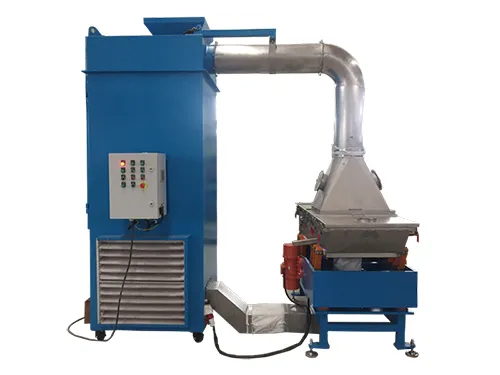
How a fluidized bed classifier works
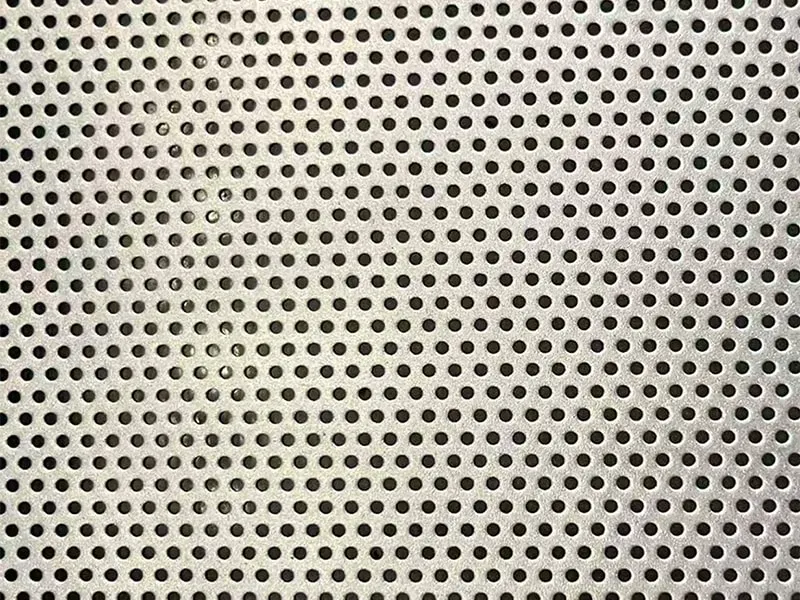
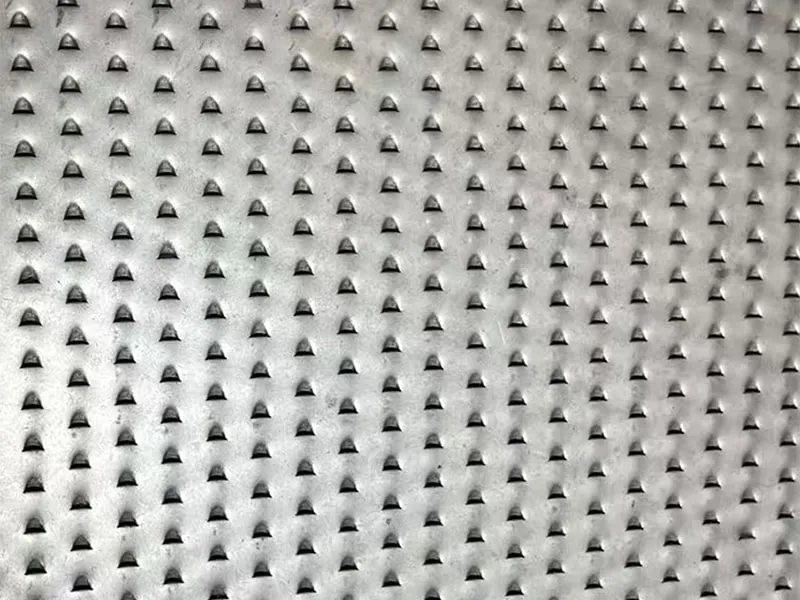
- When the material particles land on the fluidizing plate, they form a uniform fluidized bed under the influence of high-velocity airflow.
- The material makes full contact with the airflow for cooling, drying and dust extraction.
- The adjustable overflow weir controls bed height and material residence time.
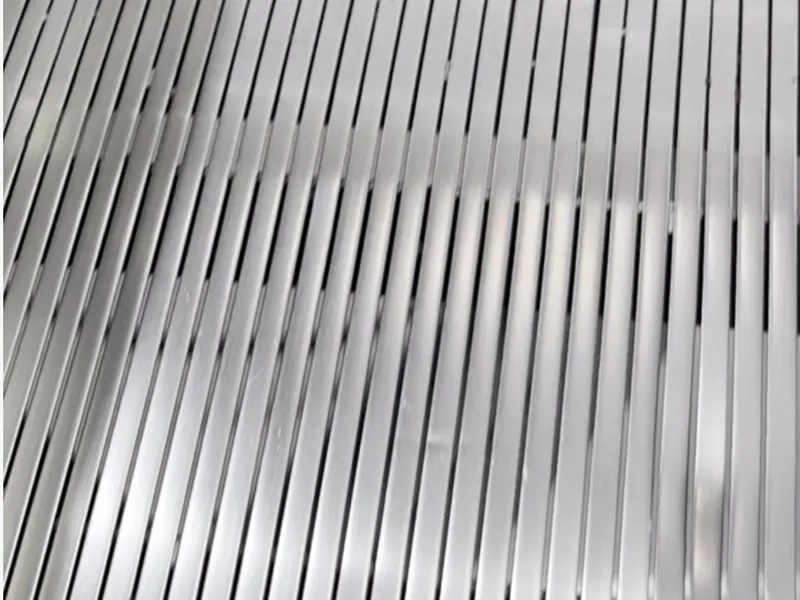
- When the material enters the screen section, nonconforming particles such as large-sized or fine particles will be sieved out.
Features
- The equipment is simple and has multiple functions, which is more cost-effective.
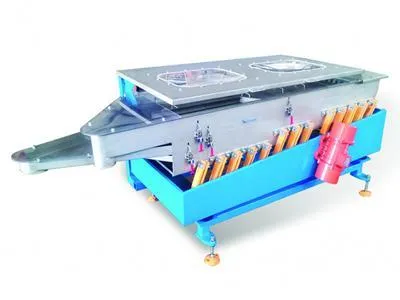
- The resonant structure of the double body vibrates back and forth smoothly under natural frequency, so that there is no turbulence in the box body, and the long-term vibration is not cracked.
- It uses modular design to add functions or reduce functional modules.
What are Fluidized Bed Classifier?
The Fluidized Bed Classifier are primarily applied in plastic pellets manufacturing for modified plastics, masterbatch, engineering plastics, thermoplastic elastomers (TPE), and recycled plastic pellets.
The Fluidized Bed Classifier adopt the modular design and allow for configurations of dedusting, screening, surface drying, static elimination, cooling and other functions based on material properties and production methods.
The Fluidized Bed Classifier remove fines, broken pellets, long pellets, joined pellets, and other off-spec materials from plastic pellets and help control surface moisture and pellet temperature while improving pellet surface cleanliness.
In a plastic pellets manufacturing line, the Fluidized Bed Classifier are typically installed after pelletizer or dewatering unit and before conveying and packaging units. The layout is beneficial in terms of reduced transfer distance.
The inclusion of Fluidized Bed Classifier brings uniform pellets with cleaner surface for downstream storage, homogenization, packaging, and processing.
The specific functions, screen specifications and capacity should be selected according to pellet size, bulk density, fines content, surface moisture content, and production line output.
Compatible materials
Depending on operating conditions, the equipment can be used for the following materials:
- PP and PE modified pellets
- PA6 and PA66 modified pellets
- ABS and PC/ABS alloy pellets
- PBT and PET modified pellets
- PMMA pellets
- Glass fiber reinforced plastic pellets
- Mineral-filled plastic pellets
- Color masterbatch and functional masterbatch
- Thermoplastic elastomer pellets, such as TPE, TPR, and TPU
- Recycled plastic pellets
Different materials can have significant differences in hardness, brittleness, temperature, surface moisture content, fines content, bulk density, and electrostatic properties. Therefore, the Fluidized Bed Classifier should be configured according to actual materials.
Fluidizing Plates
Tags
granule separation, Natural Frequency Classifier, sieving machine